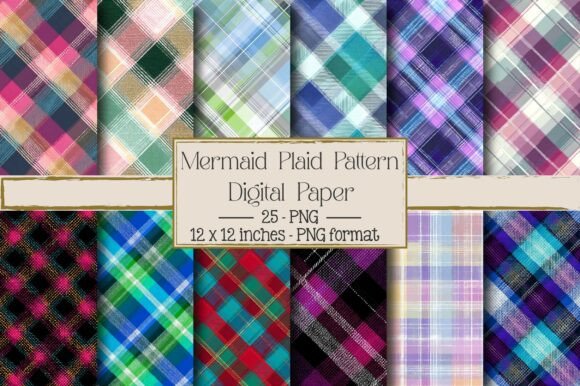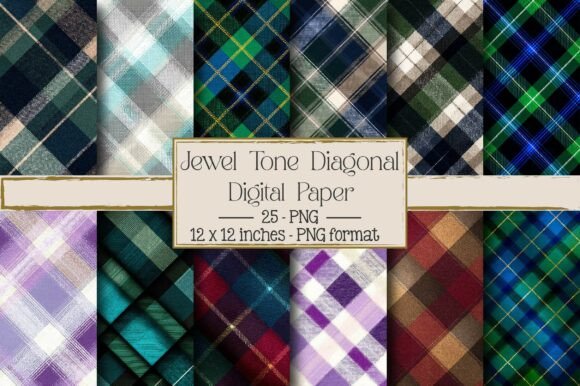
Jewel Tone Diagonal Plaid Designs for Creative Projects
Designers, entrepreneurs, and hobbyists often seek unique textures and patterns that stand out without overwhelming a project. One such versatile design element is the Jewel Tone Diagonal Plaid. This pattern combines the elegance of deep, rich colors with a dynamic diagonal weave, offering both visual appeal and adaptability. Whether you're creating custom merchandise, marketing materials, or personal art projects, these designs can elevate your work in subtle yet impactful ways.
What Is Jewel Tone Diagonal Plaid?
The term "jewel tone" refers to deep, saturated colors that resemble those found in precious gemstones—think emerald green, sapphire blue, ruby red, and amethyst purple. When paired with a diagonal plaid pattern, these hues create a striking balance between sophistication and energy. A diagonal plaid differs from traditional vertical or horizontal plaids by introducing movement through its angled lines, making it ideal for backgrounds, overlays, and decorative accents.
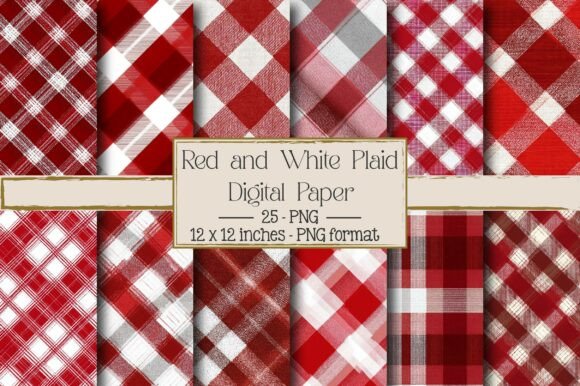
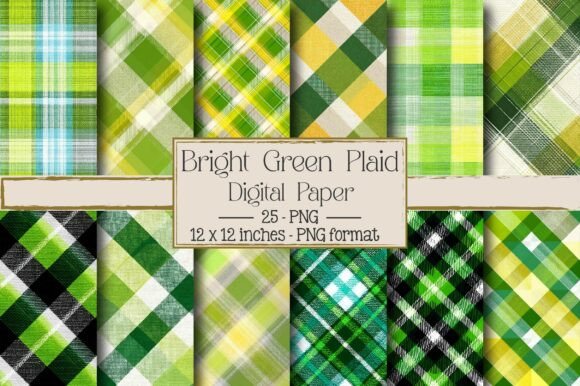
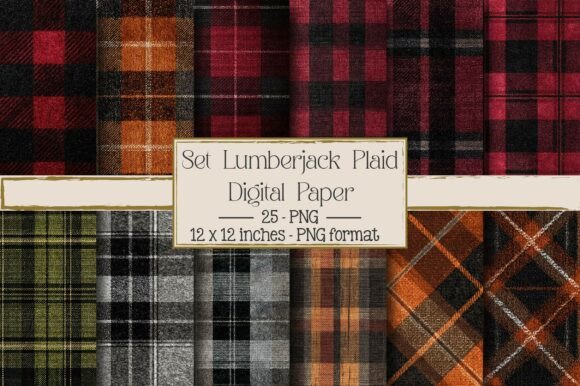
This particular collection offers 25 distinct PNG files featuring a Solid Color Distressed Effect, giving each design an aged, tactile appearance. The files are high-resolution (300 dpi) at 12×12 inches and come with transparent backgrounds, ensuring seamless integration into a wide range of digital and print applications.
Why You Should Care About These Design Elements
Visual branding and product aesthetics play a significant role in attracting attention and building recognition. Using a pattern like Jewel Tone Diagonal Plaid allows you to maintain a cohesive style across multiple platforms while adding depth and character. Its ability to blend luxury with simplicity makes it especially valuable for creators who want to avoid cliché but still deliver a polished look.
For instance, a small business owner designing a line of greeting cards might find that this plaid adds just the right amount of texture and color contrast to make their products pop on store shelves. Similarly, educators creating classroom posters or bloggers enhancing website headers can benefit from the refined yet eye-catching nature of these designs.
Enhanced Branding for Entrepreneurs
Entrepreneurs looking to establish a strong brand identity can leverage Jewel Tone Diagonal Plaid to add consistency and flair to their visual assets. The distressed effect gives a handcrafted feel, which can be particularly effective for artisanal or vintage-inspired brands. By using these patterns on packaging, promotional materials, or even social media templates, businesses can create a signature aesthetic that resonates with their target audience.
Time-Saving Tools for Marketers
Marketing professionals often juggle multiple campaigns simultaneously. Having access to pre-designed, high-quality elements like Jewel Tone Diagonal Plaid can streamline the creative process. These PNGs are easy to resize using common graphic design software such as Adobe Photoshop, Illustrator, or free tools like Canva and GIMP. Their transparency ensures they can be layered over images or text without causing alignment issues or requiring extra editing time.
Creative Freedom for Artists and Hobbyists
Artists and craft enthusiasts appreciate the flexibility that comes with downloadable design assets. The Jewel Tone Diagonal Plaid collection provides a foundation for experimentation—whether you're blending colors, adjusting opacity, or incorporating the pattern into mixed-media collages. The solid color base allows for easy customization, enabling users to match the plaid to their specific palette or project theme.
Real-World Applications: Where Does It Shine?
- T-shirt printing: The plaid’s intricate lines and bold colors can serve as a focal point or subtle background detail. For limited-edition apparel, it adds a premium touch that appeals to fashion-conscious customers.
- Wall decor: Whether printed on canvas or used as part of a digital mockup, the Jewel Tone Diagonal Plaid brings warmth and texture to home or office spaces. Its diagonal structure creates a sense of flow, making it perfect for accent walls or framed prints.
- Scrapbooking and cardmaking: The distressed effect gives a nostalgic vibe, ideal for scrapbook layouts, thank-you cards, or wedding invitations. The transparency lets you overlay the plaid on photos or handwritten notes without obscuring key details.
- Stickers and decals: The plaid pattern works well on vinyl stickers, labels, or signage. Its clarity at 300 dpi ensures sharp edges and clean lines when printed, which is essential for professional-grade results.
Who Will Benefit Most from These Files?
These PNGs are best suited for individuals and teams who need consistent, high-quality design elements quickly. Small business owners, especially those in the creative goods industry, will find them invaluable for product differentiation. Graphic designers working under tight deadlines can use them to add depth to client projects without spending hours on pattern creation. Educators and event planners may also enjoy the ease of applying these designs to invitations, worksheets, or presentation materials.
One standout feature is the transparent background, which allows for maximum versatility. If you’re working on a logo mockup or layering designs in a composite image, this feature saves time and effort. The resolution of 300 dpi ensures that when printed, the quality remains crisp and professional, whether it's for a 4x6 inch sticker or a large wall mural.
Considerations Before Use
While Jewel Tone Diagonal Plaid is a powerful tool, it's important to consider how it fits into your overall design strategy. The richness of the jewel tones means they might not suit every color scheme—especially those leaning toward minimalist or monochrome aesthetics. In such cases, you might want to test the pattern against your primary visuals before finalizing your project.
Additionally, since these are digital downloads, there's no physical sample to review. The note about possible color variation based on devices and printers is crucial. Always preview the file on different screens and run test prints if necessary to ensure the final output aligns with your expectations. Some design software also allows you to adjust color profiles before exporting, which can help mitigate discrepancies.
How to Integrate Into Your Workflow
Incorporating these files into your workflow is straightforward. Begin by downloading the ZIP file containing all 25 designs. Extract the PNGs and import them into your preferred design application. Once imported, you can scale the pattern up or down without losing quality thanks to the 300 dpi resolution.
To maximize efficiency, consider organizing the files by color or intensity. That way, you can quickly pull a plaid that complements your current project. If you're printing, always check the bleed settings and ensure the transparent areas don’t interfere with your chosen substrate or layout.
Thoughtful Recommendations for Maximum Impact
When using Jewel Tone Diagonal Plaid in print, pair it with muted or neutral fonts to let the pattern take center stage. For digital applications, try reducing the opacity slightly so it functions more as a backdrop than a distraction. Another tip is to use it selectively—applying it only to key areas like headers or sidebars can create a sense of focus and hierarchy.
Freelancers might also consider using these files as part of a template library. For example, if you frequently design product packaging or social media graphics, having a go-to set of plaid overlays can speed up repetitive tasks and maintain a consistent look across clients.
Final Thoughts on Practical Use
Patterns like Jewel Tone Diagonal Plaid offer more than just visual interest—they support creativity, improve communication, and simplify decision-making in design workflows. Their availability in PNG format with transparent backgrounds makes them highly adaptable, while the distressed effect adds a touch of authenticity and charm.
Ultimately, these 25 designs serve as a resource for anyone looking to enhance their projects with a timeless yet modern aesthetic. By understanding how to apply them effectively, you can unlock new possibilities in your creative process and deliver results that stand out in both digital and physical formats.