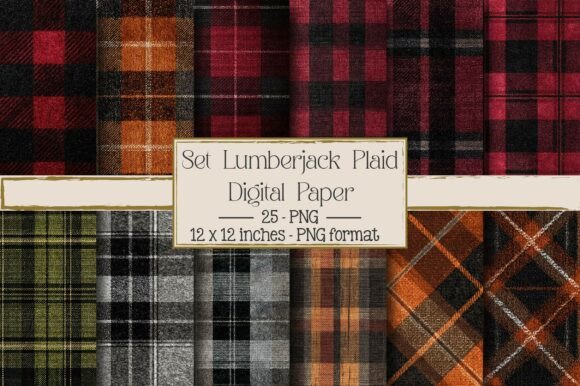
Red and White Plaid – 25 Designs PNG Files for Creative Projects
Red and white plaid has become a staple in modern design, offering a timeless blend of rustic charm and bold color. Whether you're crafting custom stickers, designing T-shirts, or creating eye-catching wall decor, this pattern brings a unique aesthetic to any project. As a digital designer or creative professional, understanding how to choose and use red and white plaid effectively can make all the difference in your work’s quality and appeal.
Why Choose Red and White Plaid?
The red and white plaid pattern is more than just a decorative element—it's a versatile design tool that works across multiple industries and applications. Its classic look evokes themes of Americana, vintage style, and seasonal warmth, making it ideal for holidays, autumnal designs, and cozy-themed products. The contrast between red and white also makes it stand out on various surfaces and materials, from fabric to paper and even digital screens.
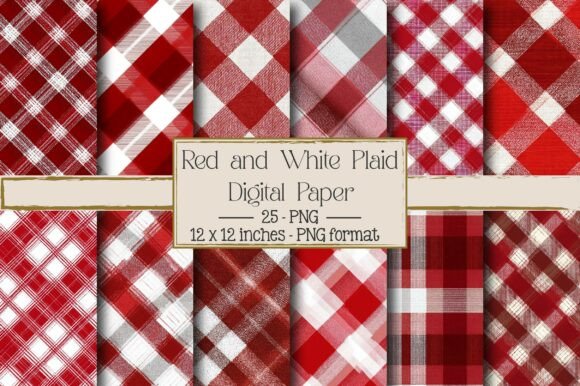
For creators and entrepreneurs, having access to high-quality red and white plaid PNG files means you can incorporate this popular motif into your projects without compromising on resolution or flexibility. With 300 dpi and a 12x12 inch size, these files are optimized for print and digital use alike. Plus, the transparent background allows seamless integration into any layout or design format.
Common Mistakes When Using Red and White Plaid
Despite its popularity, many designers fall into traps when working with red and white plaid. Here are some common pitfalls to avoid:
- Ignoring Color Variations: What looks great on your screen may not translate perfectly in print. Always test colors before finalizing large orders.
- Using Low-Resolution Files: A blurry plaid pattern can ruin the professionalism of your product. Ensure you’re using files that support crisp printing.
- Misjudging Scale and Proportion: A plaid pattern that's too large or too small can overwhelm or underwhelm a design. Test different sizes during the prototyping phase.
- Overlooking Design Compatibility: Not every project benefits from red and white plaid. It can clash with minimalist or modern aesthetics if not used thoughtfully.
How These Mistakes Can Impact Your Work
Choosing the wrong file resolution can lead to poor print quality, especially on items like cards or scrapbook pages where detail matters. If you download a low-res image and scale it up, the result will be pixelated and unprofessional.
Color discrepancies can also affect brand consistency or customer satisfaction. Imagine ordering a batch of T-shirts with a vibrant red plaid only to receive them in a duller shade due to printer calibration issues. This mismatch could harm your reputation as a creator or seller.
Similarly, using red and white plaid in an inappropriate context—such as pairing it with overly bright or clashing patterns—can make your design appear cluttered or amateurish. It's essential to consider the overall theme and purpose of your project before committing to this pattern.
Practical Tips to Avoid Errors
To ensure you get the most out of your red and white plaid designs, follow these best practices:
- Always Check File Resolution: Confirm that the PNG files you download are at least 300 dpi. This ensures they’ll hold up well whether printed on canvas or scaled for social media banners.
- Test Colors on Different Devices: Before finalizing a design, preview it on multiple screens (including phones and tablets) to see how the red and white hues display. Adjust accordingly for accuracy.
- Use Transparent Backgrounds Wisely: The transparent feature is excellent for layering or placing the pattern over photos or gradients. Just make sure your design software supports transparency layers correctly.
- Match the Pattern to the Purpose: Consider the audience and intent behind your project. For example, red and white plaid might be perfect for a fall-themed card but less suitable for a sleek tech accessory.
Realistic Examples and Better Approaches
Let’s say you're designing a set of holiday stickers. You decide to use red and white plaid as the main background. If you don’t adjust the opacity or add subtle textures, the pattern might overpower the text or images. Instead, try overlaying the plaid with a distressed effect or soft gradient to maintain visual balance.
If you're working on a T-shirt design, consider how the plaid interacts with other elements. A full front plaid design might work for a casual line, but for something more refined, use it as a border or accent instead. Testing the pattern in different placements using design software like Adobe Photoshop or Illustrator can help you find the right fit.
Another scenario involves using the pattern in scrapbooking. Some users mistakenly apply the same design across all pages, leading to a repetitive and unoriginal layout. To avoid this, mix and match different plaid styles from the 25 designs provided. Each one offers a slightly different tone or texture, allowing for a more dynamic and engaging final product.
Things to Check Before Making a Decision
Before downloading or purchasing red and white plaid PNG files, take a moment to evaluate the following:
- File Format and Transparency: Make sure the files are in PNG format and include a transparent background. This gives you more control when applying the pattern to different projects.
- Design Software Compatibility: Confirm that your preferred tools (like Canva, Photoshop, or Inkscape) can handle high-resolution PNGs without performance issues.
- Print Quality Requirements: If you plan to print physical items, check the minimum resolution needed by your printer or production partner. A 300 dpi file should meet most standards, but always double-check.
- Usage Rights: Understand what you can do with the files. Are they royalty-free? Can they be resold or modified? Clarifying these points helps prevent legal or ethical issues down the line.
Getting Started with Red and White Plaid Files
Once you’ve verified the suitability of the red and white plaid PNG files for your needs, the next step is to integrate them into your workflow. Start by importing the design into your chosen software and experimenting with placement, size, and effects. Try adding a slight shadow or blur to simulate depth, or combine it with other textures for a layered look.
For beginners, here’s a quick tip: keep the plaid as a secondary design element rather than the focal point. Use it to frame content, add background interest, or create subtle accents. This approach maintains clarity while still benefiting from the pattern’s visual appeal.
Professionals might want to explore advanced techniques like masking or blending modes to achieve a more sophisticated finish. Since the files come with a transparent background, you can easily manipulate them to suit complex layouts or branding guidelines.
Where to Use Red and White Plaid Effectively
Here are some top-use scenarios for red and white plaid PNGs based on their features:
- Wall Art and Frame Artwork: The distressed effect adds character, making it ideal for farmhouse or bohemian-style home decor.
- Seasonal Cards and Invitations: Combine plaid with hand-lettering or autumn leaves for a cohesive and inviting design.
- Custom Stickers and Labels: The solid colors and clear lines of the plaid pattern make it easy to spot and recognize, which is great for branding.
- Scrapbooks and Photo Albums: Use the plaid as a background for themed pages or as borders around key visuals.
- Merchandise Design: From tote bags to mugs, the pattern can elevate simple products with a touch of personality.
Final Thoughts on Red and White Plaid
Red and white plaid isn't just a trend—it's a design element that continues to resonate across industries. When used correctly, it can enhance your creative output and connect with audiences on a visual and emotional level. However, its effectiveness depends heavily on thoughtful implementation and awareness of potential missteps.
By choosing high-resolution PNG files with a transparent background and a distressed effect, you gain the flexibility and quality needed to produce standout results. Remember to test your designs across platforms, understand your audience, and always prioritize clarity and usability over aesthetics alone.
Whether you're a hobbyist looking to spruce up your DIY projects or a marketer aiming to launch a new product line, red and white plaid offers a reliable and stylish option. Just make sure you're using the right tools and techniques to bring your vision to life without unnecessary hiccups.